
From simple home sore throat remedies like salt water gargles and honey to smart lifestyle changes, relief is within reach. The key is understanding your body, choosing the right remedies, and knowing when to seek help.
Table of Contents
Introduction
A sore throat has a sneaky way of showing up at the worst possible time. One day you are fine, and the next morning it feels like you swallowed sandpaper. Talking hurts, swallowing feels like a chore, and even breathing cold air can make you wince. Almost everyone experiences a sore throat at least a few times a year, making it one of the most common health complaints worldwide. Despite how common it is, a sore throat can seriously disrupt your daily routine, productivity, and sleep.
What makes a sore throat tricky is that it is not a disease on its own. It is a symptom, and that symptom can have many different causes. Sometimes it is harmless and disappears in a day or two. Other times, it can be a signal that your body is fighting an infection or reacting to something in your environment. Understanding sore throat remedies is not just about easing pain, but also about supporting your body’s natural healing process.
In this guide, we are going deep. You will learn what causes sore throats, how to recognize when they are serious, and which sore throat remedies actually work. From natural home treatments passed down through generations to modern over-the-counter options, this article covers everything you need to know to feel better faster. Think of it as your go-to survival manual for those painful, scratchy days when your throat just refuses to cooperate.

What Is a Sore Throat and Why Does It Hurt So Much?
A sore throat is essentially inflammation of the tissues in the throat, also known as the pharynx. This area is delicate and constantly exposed to the outside world. Every breath you take, every sip of water, and every bite of food passes through it. When something irritates or infects these tissues, they swell, become red, and start sending pain signals to your brain.
The reason sore throats hurt so much is simple. The throat is packed with nerve endings. When inflammation kicks in, these nerves become hypersensitive. That is why even swallowing saliva can feel uncomfortable. Inflammation also reduces the natural lubrication in your throat, causing dryness and that familiar scratchy sensation. Imagine rubbing dry skin repeatedly. That is similar to what your throat experiences during inflammation.
Another factor is mucus production. When your body senses irritation, it often produces extra mucus to trap and flush out invaders. While this is helpful, it can also cause postnasal drip. This mucus slides down the back of your throat, triggering coughing and further irritation. It becomes a vicious cycle where irritation causes more mucus, and more mucus causes more irritation. Understanding this process helps explain why certain sore throat remedies focus on reducing inflammation, soothing tissues, and keeping the throat moist.

Common Causes of a Sore Throat
Not all sore throats are created equal. Knowing the cause helps you choose the right sore throat remedies and avoid unnecessary treatments. The most common cause is viral infections. Colds, flu, and other respiratory viruses often start with a sore throat. In these cases, the pain usually improves on its own as your immune system clears the virus.
Bacterial infections are another cause, with strep throat being the most well-known. They often come with more severe pain, fever, and swollen lymph nodes. Environmental factors also play a big role. Allergies can cause chronic throat irritation due to constant postnasal drip. Dry air, pollution, and smoke can strip moisture from your throat and leave it feeling raw.
Lifestyle factors are often overlooked. Smoking, excessive alcohol consumption, and even talking loudly for long periods can strain your throat. Acid reflux is another sneaky culprit. When stomach acid travels upward, it can burn throat tissues, causing pain that mimics an infection. Understanding these causes allows you to tailor sore throat remedies to your specific situation instead of relying on guesswork.

Symptoms That Often Come with a Sore Throat
A sore throat rarely travels alone. It often brings a group of uncomfortable companions. The most obvious symptom is pain or a scratchy sensation, especially when swallowing or talking. You may also notice dryness, a burning feeling, or the sensation that something is stuck in your throat.
Swollen glands in the neck or jaw are common, especially when your immune system is actively fighting an infection. Fever, chills, and body aches may accompany a sore throat caused by viral or bacterial infections. Hoarseness or loss of voice can occur if the vocal cords are irritated. In some cases, white patches or pus may appear on the tonsils, signaling a bacterial infection.
Fatigue is another frequent symptom. When your body is busy healing, it diverts energy away from daily activities. This is why rest is one of the most underrated sore throat remedies. Paying attention to these symptoms helps you decide whether home remedies are enough or if medical advice is needed.
When a Sore Throat Becomes Serious
Most sore throats are harmless and resolve within a few days. However, there are times when a sore throat should not be ignored. If your sore throat lasts longer than a week without improvement, it may be time to seek medical advice. Severe pain that makes swallowing or breathing difficult is another red flag.
High fever, rash, or joint pain can indicate a more serious infection. If you notice white patches on your tonsils along with fever and swollen glands, it could be strep throat, which often requires antibiotics. Persistent hoarseness lasting more than two weeks should also be evaluated, especially for smokers, as it can signal more serious conditions.
Knowing when to move beyond home sore throat remedies is crucial. Early intervention can prevent complications and speed up recovery. Listening to your body is one of the smartest health habits you can develop.
Natural Sore Throat Remedies You Can Try at Home
Natural sore throat remedies have been used for centuries, long before pharmacies existed. Most of them work by soothing irritated tissues, reducing inflammation, or supporting the immune system. While they may not cure infections, they can significantly reduce discomfort and help your body heal faster.
Before trying any remedy, it is important to consider safety. Natural does not always mean risk-free. Allergies, existing health conditions, and age can influence which remedies are appropriate. That said, for most people, home remedies are a safe and effective first line of defense against sore throats.
The key is consistency. Using a remedy once may offer temporary relief, but regular use often brings the best results. Think of these remedies as supportive care, working alongside your body’s natural healing process rather than replacing it.
Warm Salt Water Gargle
One of the simplest and most effective sore throat remedies is a warm salt water gargle. It may sound old-fashioned, but there is solid science behind it. Salt helps draw excess fluid out of inflamed throat tissues, reducing swelling and pain. It also creates an environment that makes it harder for bacteria to survive.
To prepare a salt water gargle, dissolve about half a teaspoon of salt in a glass of warm water. The water should be warm, not hot. Gargle for about 20 to 30 seconds, then spit it out. Repeat this several times a day, especially in the morning and before bed.
This remedy works particularly well for sore throats caused by infections or postnasal drip. It also helps loosen mucus and flush out irritants. While it may not taste great, the relief it provides often makes it worth the effort.

Honey and Warm Liquids
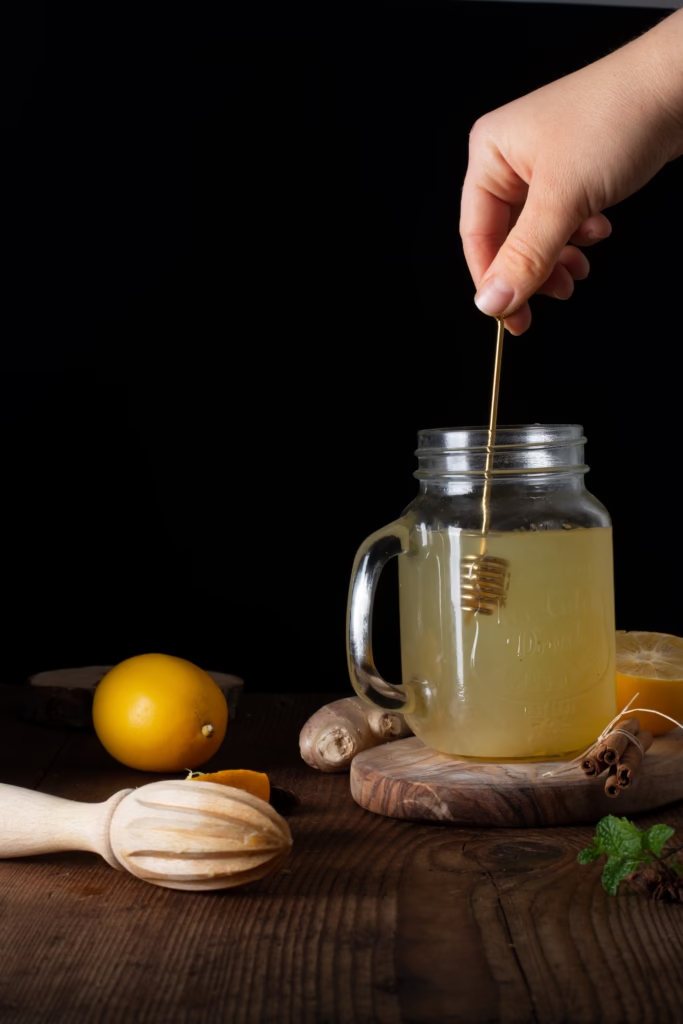
Honey is nature’s throat soother. Its thick, syrupy texture coats the throat, creating a protective layer that reduces irritation. Honey also has natural antibacterial properties, making it one of the most trusted sore throat remedies across cultures.
Mixing honey with warm liquids enhances its effects. Warm water, herbal tea, or lemon water are excellent choices. The warmth increases blood flow to the throat, promoting healing, while honey provides moisture and relief.
It is important to note that honey should not be given to children under one year of age due to the risk of botulism. For everyone else, a spoonful of honey or a warm honey drink several times a day can significantly ease throat pain and coughing.
Herbal Teas for Sore Throat Relief
Herbal teas are like a warm hug for your throat. Chamomile tea is known for its anti-inflammatory and calming properties. It helps reduce swelling and promotes relaxation, which can improve sleep during illness. Ginger tea is another powerful option. Ginger contains compounds that fight inflammation and may help reduce pain.
The key is to sip slowly and consistently. Adding a bit of honey can enhance both flavor and effectiveness. Herbal teas are gentle sore throat remedies that can be enjoyed throughout the day without side effects for most people.
Steam Inhalation and Humidifiers
Steam inhalation adds moisture to the airways, soothing irritated tissues and loosening mucus. You can inhale steam by taking a hot shower or leaning over a bowl of hot water with a towel over your head. Be careful to avoid burns.
Using a humidifier in your bedroom can provide continuous relief, especially at night. Moist air prevents your throat from drying out while you sleep. This is particularly helpful during winter months or in dry climates.
Steam does not cure infections, but it creates a healing environment for your throat. Combined with other sore throat remedies, it can significantly improve comfort and sleep quality.

Cold Remedies for Sore Throat Pain
While warmth is comforting for many people, cold remedies can also be effective sore throat remedies. Ice chips, cold water, or frozen treats can numb the throat, reducing pain and inflammation. This approach works well when the throat feels hot, swollen, or intensely painful.
Cold therapy is especially useful for sore throats caused by overuse, such as yelling or prolonged talking. The cold constricts blood vessels, reducing swelling. It can also temporarily dull nerve endings, providing quick relief.
The key is to listen to your body. If cold makes your throat feel better, use it. If it increases discomfort, switch back to warm remedies. There is no one-size-fits-all approach to sore throat relief.

Over-the-Counter Sore Throat Remedies
When home remedies are not enough, over-the-counter options can help bridge the gap. Throat lozenges stimulate saliva production, keeping the throat moist and reducing dryness. Many lozenges contain mild anesthetics that numb pain temporarily.
Over-the-counter sore throat remedies are most effective when combined with rest, hydration, and natural treatments. They address symptoms but do not replace the body’s need to heal.
Dietary Adjustments to Heal a Sore Throat Faster
What you eat matters when you have a sore throat. Soft, easy-to-swallow foods reduce irritation. Soups, broths, mashed vegetables, yogurt, and smoothies provide nourishment without scraping the throat. Warm soups also add hydration and comfort.
Avoid foods that can worsen irritation. Spicy foods, acidic fruits, and crunchy snacks can aggravate an already sensitive throat. Caffeinated and alcoholic drinks can dehydrate you, slowing recovery.
Staying well-hydrated is one of the most powerful sore throat remedies. Water keeps throat tissues moist and helps flush out toxins. Think of hydration as fuel for healing.
Lifestyle Changes That Prevent Recurrent Sore Throats
If sore throats keep coming back, it may be time to look at your lifestyle. Chronic dehydration, poor sleep, and high stress weaken the immune system. Drinking enough water, getting quality sleep, and managing stress can reduce the frequency of throat infections.
Avoiding smoke and pollutants protects your throat from constant irritation. Practicing good vocal hygiene, such as taking breaks from talking and using proper voice techniques, prevents strain. Managing acid reflux through diet and posture can also eliminate a common cause of chronic sore throat.
Prevention is often the best remedy. Small changes can make a big difference in long-term throat health.
Sore Throat Remedies for Children
Children experience sore throats differently than adults. Their immune systems are still developing, and they may not communicate symptoms clearly. Safe sore throat remedies for children include warm fluids, honey for children over one year old, and humidified air.
Avoid giving children adult medications without medical advice. Lozenges may lead to choking in young children. Encouraging rest and hydration is often enough for mild sore throats.
Parents should monitor symptoms closely. If a child has high fever, difficulty breathing, or refuses to drink fluids, medical attention is necessary.
Sore Throat Remedies During Pregnancy
Pregnancy limits medication options, making natural sore throat remedies especially valuable. Warm salt water gargles, honey, herbal teas like chamomile, and steam inhalation are generally safe. Staying hydrated and resting are crucial.
Some herbs and medications are not safe during pregnancy, so it is important to consult a healthcare provider before trying new remedies. Listening to your body and choosing gentle treatments can provide relief without risk.
How Long Does a Sore Throat Usually Last?
Viral sore throats typically improve within three to seven days. Bacterial infections may last longer but often improve quickly with treatment. Allergic or environmental sore throats can persist until the trigger is removed.
Signs of healing include reduced pain, easier swallowing, and improved energy levels. If symptoms worsen or do not improve, reassessment is important.
Preventing Sore Throats in the Future
Prevention starts with hygiene. Washing hands regularly, avoiding close contact with sick individuals, and not sharing utensils reduce infection risk. Boosting immunity through balanced nutrition, regular exercise, and adequate sleep strengthens your defenses.
Staying hydrated and protecting your throat from dry air and pollutants also help. Prevention may not be glamorous, but it is effective.

Conclusion
Sore throats are uncomfortable, frustrating, and often unavoidable, but they do not have to control your life. With the right sore throat remedies, you can reduce pain, speed up healing, and prevent future episodes. From simple home treatments like salt water gargles and honey to smart lifestyle changes, relief is within reach. The key is understanding your body, choosing the right remedies, and knowing when to seek help.
FAQs
Can sore throats heal without medicine?
Yes, many sore throats heal on their own with rest, hydration, and natural remedies.
Is honey better than cough syrup?
For mild symptoms, honey can be just as effective and gentler on the body.
How can I sleep with a sore throat?
Use a humidifier, stay hydrated, and elevate your head slightly.
Are antibiotics always necessary?
No, antibiotics only work for bacterial infections, not viral sore throats.
Can dehydration cause a sore throat?
Yes, lack of fluids can dry out throat tissues and cause irritation.
Please don’t forget to leave a review.