
Milk, yogurt, paneer, and cheese are foods rich in vitamin B12. I often recommend that vegetarian patients include at least two servings of dairy daily, unless they are lactose intolerant.
Table of Contents
Introduction: Why I Talk to My Patients About Vitamin B12
As a doctor, one of the most common nutritional deficiencies I encounter in my clinic is vitamin B12 deficiency. What surprises many of my patients is that this deficiency often goes unnoticed for years. People come to me complaining of fatigue, tingling in the hands, poor memory, mood changes, or unexplained weakness, and they rarely suspect a vitamin deficiency as the cause. Yet, after a simple blood test, vitamin B12 often turns out to be the missing link.
Vitamin B12 is not just another vitamin; it is essential for life. It plays a critical role in nerve function, red blood cell formation, and DNA synthesis. Without enough of it, your body simply cannot function at its best. I often explain to my patients that vitamin B12 is like the electrical wiring of a house. When the wiring is faulty, lights flicker, appliances malfunction, and eventually, the entire system suffers. Similarly, when B12 levels drop, multiple systems in your body begin to fail.
In this article, I want to guide you the same way I guide my patients. I will explain what vitamin B12 is, why it is important, and most importantly, which foods are rich in vitamin B12. I will also give special attention to vegetarian sources, because many of my vegetarian and vegan patients struggle to meet their daily requirements. Think of this as a conversation in my clinic, where my goal is to educate, reassure, and empower you to take control of your health.
Understanding Vitamin B12: What It Is and Why It Matters
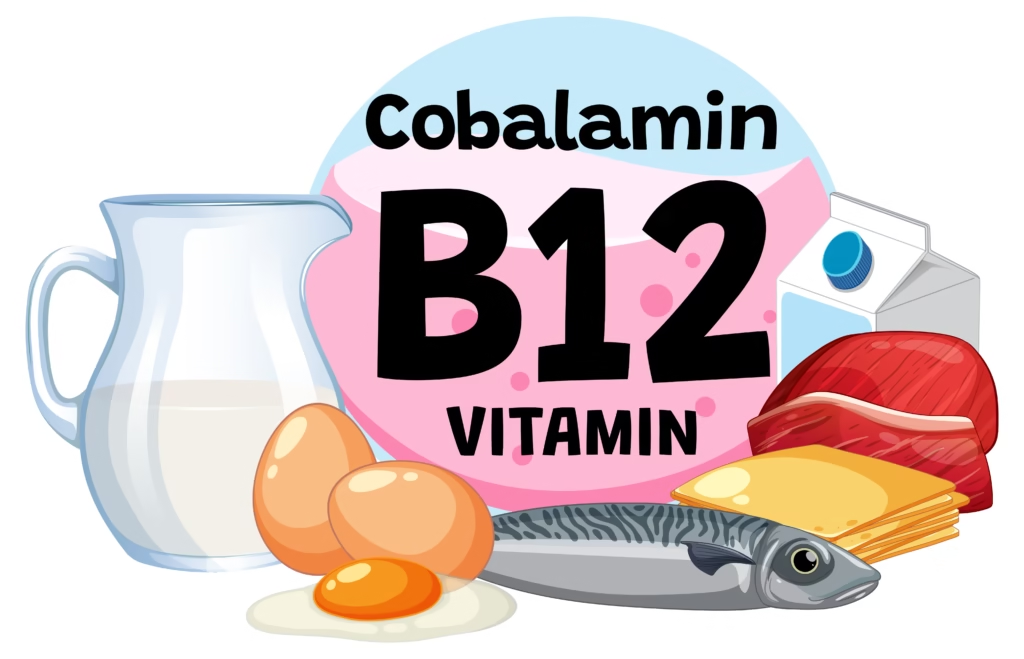
Vitamin B12, also known as cobalamin, is a water-soluble vitamin that your body needs in very small amounts but relies on heavily. I often tell my patients that even though the required quantity is tiny, the impact of deficiency can be massive. This vitamin is unique because it contains cobalt, a mineral that gives vitamin B12 its name.
How Vitamin B12 Works in the Body
Inside your body, vitamin B12 is involved in several essential processes. It helps in the production of red blood cells, which carry oxygen to every tissue and organ. When B12 levels are low, red blood cells become large and inefficient, leading to a condition called megaloblastic anemia. This is why many deficient patients feel tired, weak, and short of breath.
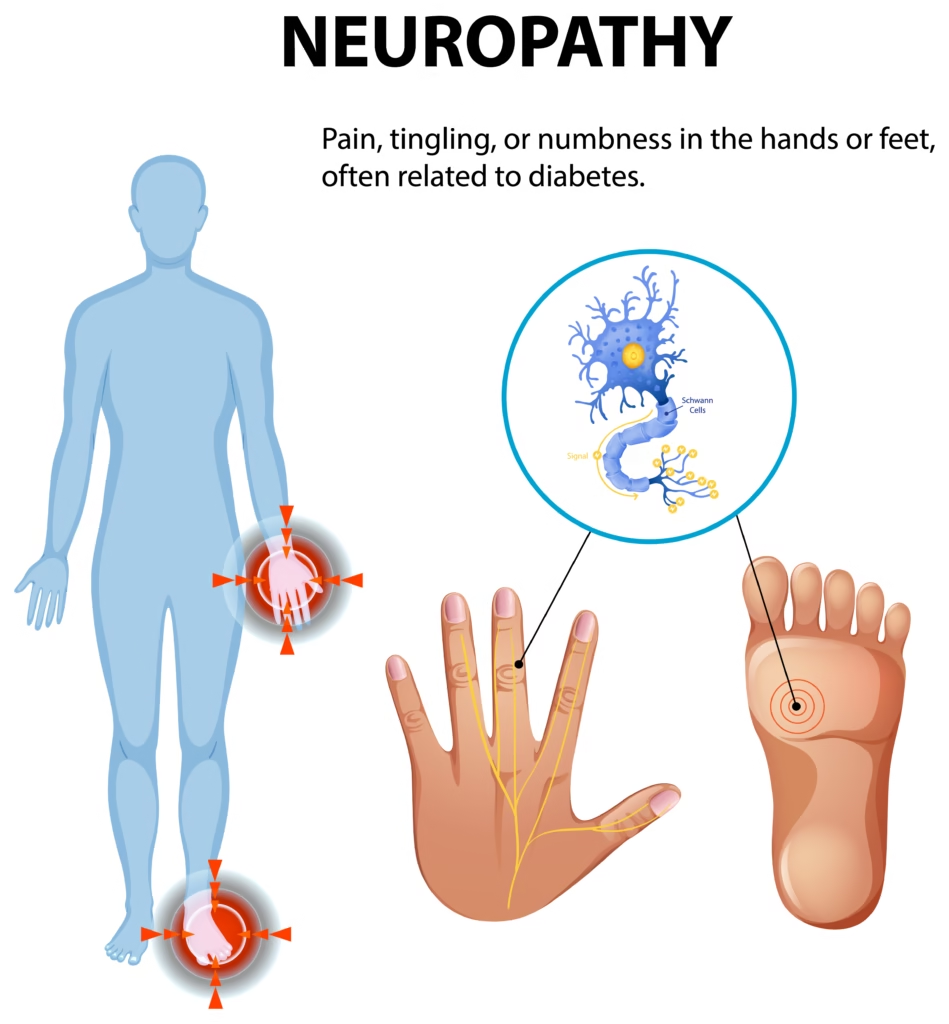
Vitamin B12 also plays a vital role in maintaining the protective covering of nerves, known as the myelin sheath. Without adequate B12, nerves become exposed and damaged, leading to symptoms like numbness, tingling, balance problems, and even memory loss. I always emphasize that nerve damage caused by prolonged B12 deficiency can sometimes be irreversible, which is why early detection is crucial.
The Link Between Vitamin B12 and the Nervous System
One of the strongest reasons I stress vitamin B12 intake is its impact on brain health. B12 is involved in neurotransmitter synthesis, which affects mood, concentration, and cognitive function. In my practice, I have seen patients misdiagnosed with depression or early dementia when the real issue was low vitamin B12. Once corrected, their symptoms improved significantly.
Daily Vitamin B12 Requirements Across Age Groups
Many patients ask me, “Doctor, how much vitamin B12 do I actually need?” The response varies based on factors like age, daily habits, and specific physiological states such as pregnancy.
Here is a simple table I often share with my patients:
| Age Group | Recommended Daily Intake |
|---|---|
| Infants (0–6 months) | 0.4 mcg |
| Children (1–8 years) | 0.9–1.2 mcg |
| Adolescents (9–13 years) | 1.8 mcg |
| Adults | 2.4 mcg |
| Pregnant Women | 2.6 mcg |
| Breastfeeding Women | 2.8 mcg |
While these numbers may seem small, consistently failing to meet them can lead to deficiency over time. I remind my patients that vitamin B12 is stored in the liver, which means symptoms may take years to appear. This delayed onset often gives a false sense of security.
Common Causes of Vitamin B12 Deficiency I See in My Clinic
Vitamin B12 deficiency is not always about poor diet. In my clinical experience, several factors contribute to low B12 levels.
One major cause is inadequate dietary intake, especially among vegetarians and vegans. Since vitamin B12 is naturally found mostly in animal-based foods, people who avoid these foods are at higher risk. Another common cause is poor absorption. Conditions like gastritis, celiac disease, Crohn’s disease, and a lack of intrinsic factor can prevent proper absorption of B12.
Long-term use of certain medications, such as metformin and proton pump inhibitors, is another factor I watch closely. Many patients are unaware that these commonly prescribed drugs can interfere with vitamin B12 absorption. Age also plays a role. As we grow older, our stomach produces less acid, which is necessary for releasing B12 from food.
Signs and Symptoms of Vitamin B12 Deficiency You Should Never Ignore
Early Symptoms
In the early stages, vitamin B12 deficiency can be subtle. Patients often report fatigue, weakness, dizziness, and pale skin. Some complain of frequent headaches or difficulty concentrating. These symptoms are easy to dismiss or attribute to stress or aging, which is why deficiency often goes undiagnosed.
Advanced and Long-Term Symptoms
If deficiency persists, symptoms become more severe. I have seen patients with numbness and tingling in the hands and feet, difficulty walking, memory loss, mood changes, and even vision problems. In serious cases, failure to treat vitamin B12 deficiency may result in lasting nerve damage. This is why I always encourage patients not to ignore persistent symptoms.
Why Diet Plays a Crucial Role in Vitamin B12 Levels
Diet is the foundation of vitamin B12 intake. Unlike some vitamins that the body can synthesize, vitamin B12 must come from food or supplements. I often tell my patients that food is not just fuel; it is information for your body. What you eat determines how well your systems function.
Vitamin B12 is naturally found mainly in foods of animal origin. However, with proper planning, even vegetarians can maintain adequate levels. The key is awareness and consistency. Skipping B12-rich foods for weeks or months can gradually deplete your stores without you realizing it.
Non-Vegetarian Foods Rich in Vitamin B12
For my non-vegetarian patients, meeting vitamin B12 requirements is usually straightforward.
Liver and Organ Meats
Liver, especially beef liver, is one of the richest sources of vitamin B12. A small serving can provide several times the daily requirement. While not everyone enjoys organ meats, I often suggest including them occasionally for nutritional benefits.
Fish and Seafood
Fish such as salmon, tuna, sardines, and trout are excellent sources of vitamin B12. Shellfish like clams and oysters are particularly rich. Including fish two to three times a week can significantly boost B12 levels.
Meat and Poultry
Beef, chicken, and turkey provide moderate amounts of vitamin B12. Lean cuts are preferable, especially for patients managing cholesterol or heart conditions.
Eggs as a Supporting Source
Eggs contain vitamin B12 mainly in the yolk. While eggs alone may not meet daily requirements, they are a valuable supporting source, especially for people who consume limited meat.
Vegetarian Foods Rich in Vitamin B12 (Special Section)
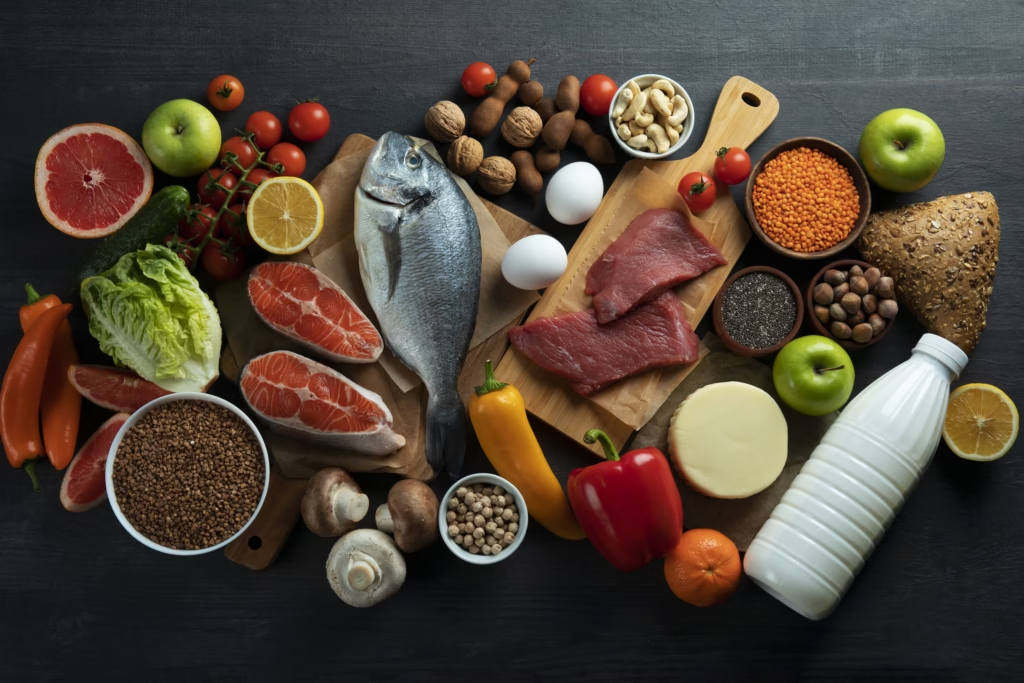
This is one of the most important sections for many of my patients. Vegetarians often ask me if it is possible to get enough vitamin B12 without eating meat. The answer is yes, but it requires mindful choices.
Dairy Products
Milk, yogurt, paneer, and cheese are good sources of vitamin B12. I often recommend that vegetarian patients include at least two servings of dairy daily, unless they are lactose intolerant.
Fermented Foods Rich in Vitamin B12
Certain fermented foods may contain small amounts of vitamin B12 due to bacterial activity. While not a primary source, they can contribute to overall intake.
Fortified Foods Rich in Vitamin B12
Fortified foods are a game-changer for vegetarians. Many breakfast cereals, plant-based milk, and soy products are fortified with vitamin B12. I routinely encourage my patients to read labels thoroughly before use.
Nutritional Yeast
Nutritional yeast fortified with vitamin B12 is an excellent option for vegetarians and vegans. It can be sprinkled on salads, soups, or snacks, making it an easy addition to daily meals.
Vegan Diet and Vitamin B12: What I Advise My Patients
For vegan patients, vitamin B12 supplementation is not optional; it is essential. Since plant foods do not naturally contain reliable amounts of B12, fortified foods and supplements are necessary. I reassure my patients that taking a B12 supplement is not a failure; it is a smart, preventive step.
Vitamin B12 Absorption: Why Some People Still Become Deficient
Even with adequate intake, some people struggle with absorption. Conditions affecting the stomach or intestines can interfere with B12 absorption. This is why I sometimes recommend injections or high-dose oral supplements for certain patients.
Best Cooking Practices to Preserve Vitamin B12
Vitamin B12 is sensitive to heat. Overcooking foods can reduce their B12 content. I advise gentle cooking methods such as steaming, baking, or light sautéing to preserve nutrients.
When Foods Rich in Vitamin B12 Is Not Enough: Supplements and Injections
Supplements come in various forms, including tablets, sublingual drops, and injections. The choice depends on the severity of deficiency and absorption capacity. I always recommend medical guidance before starting supplements.
Vitamin B12 in Pregnancy, Children, and the Elderly
Pregnant women, children, and older adults have unique nutritional needs. Adequate vitamin B12 is essential for fetal brain development, child growth, and cognitive health in the elderly. Regular monitoring is crucial.
Myths and Misconceptions About Vitamin B12
Many people believe that only vegetarians become deficient, which is not true. I have seen plenty of non-vegetarian patients with low B12 due to absorption issues. Another myth is that symptoms appear quickly, when in reality, deficiency can develop silently over years.
How to Maintain Healthy Vitamin B12 Levels Long-Term
Consistency is key. I advise regular consumption of B12-rich foods, periodic blood tests, and timely supplementation when needed. Think of it as routine maintenance for your body.
Conclusion: My Final Advice as a Doctor
Vitamin B12 is a small nutrient with a massive impact on your health. As a doctor, my goal is not just to treat deficiency but to prevent it. By understanding your dietary sources, recognizing early symptoms, and making informed choices, you can protect your nerve health, energy levels, and overall well-being. Remember, good health is not about drastic changes but about consistent, informed habits.
Frequently Asked Questions
1. Can I get enough vitamin B12 from a vegetarian diet alone?
Yes, with proper planning, fortified foods, and dairy products, many vegetarians can meet their needs.
2. How often should I check my vitamin B12 levels?
I recommend testing every 1–2 years, or more frequently if you have risk factors.
3. Are vitamin B12 supplements safe?
Yes, vitamin B12 is generally safe, even in higher doses, when taken as advised.
4. Can vitamin B12 deficiency cause hair loss?
Indirectly, yes. Deficiency can affect cell growth and contribute to hair thinning.
5. How long does it take to recover from vitamin B12 deficiency?
Symptoms may improve within weeks, but full recovery can take several months depending on severity.
Please don’t forget to leave a review.