
Food to Eat and to Avoid in Diabetes. Managing diabetes isn’t about deprivation — it’s about direction. Every food choice either supports stable blood sugar or works against it. The power lies in awareness and balance.
Table of Contents
Introduction to Diabetes and the Role of Diet
Living with diabetes can feel overwhelming at first. One day you’re eating freely, and the next, you’re reading every food label like it’s a final exam. Sound familiar? If so, you’re not alone. The good news is that managing diabetes doesn’t mean starving yourself or giving up all your favorite foods. It simply means eating smarter.
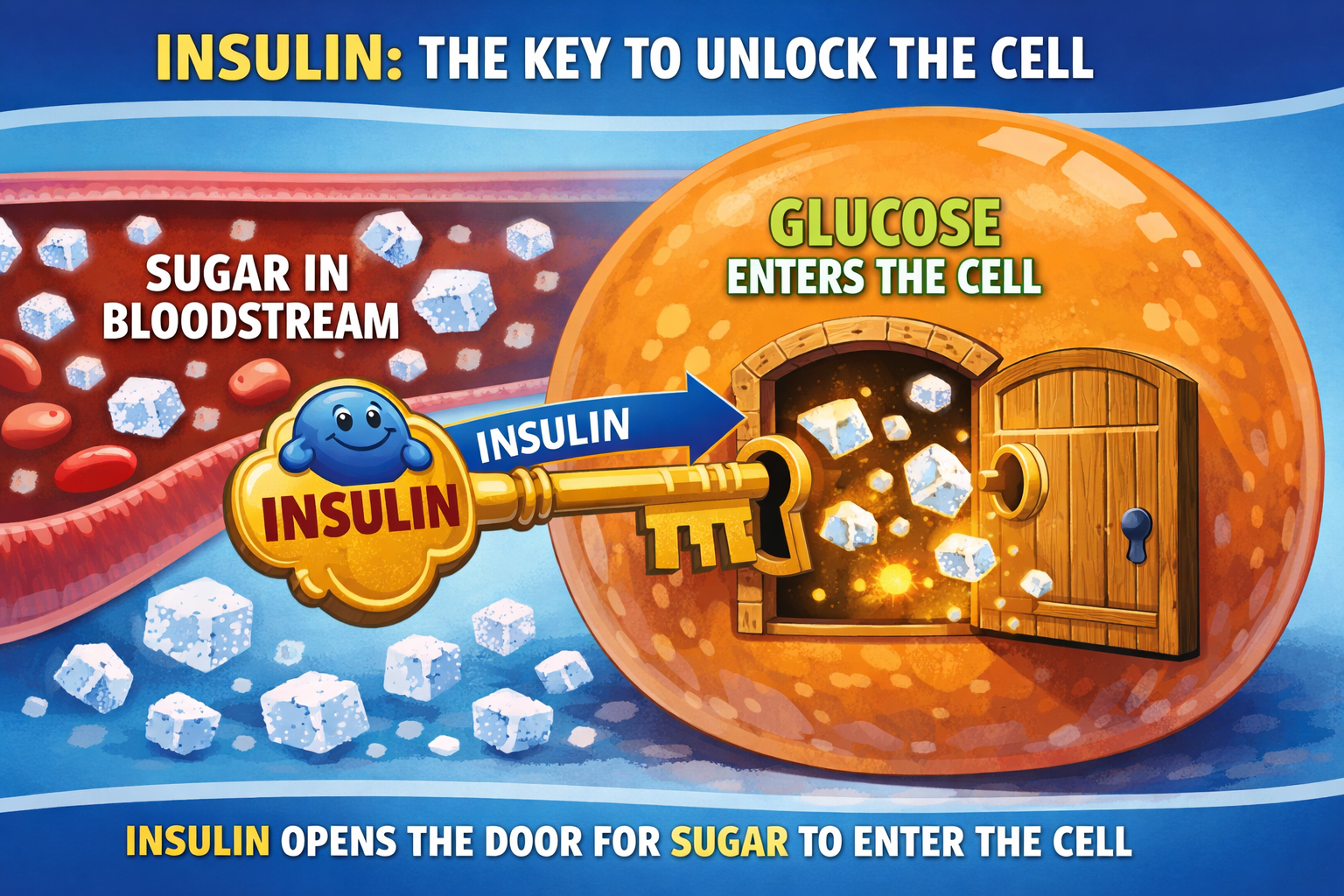
Diabetes is a condition that affects how your body processes blood sugar (glucose). Glucose is your body’s main source of energy, and it comes directly from the food you eat. If you have diabetes, your body either fails to make sufficient insulin or is unable to use the insulin it produces effectively. Insulin acts like a key, helping sugar move from your bloodstream into your cells. Without it working efficiently, sugar builds up in your blood — and that’s where problems begin.
Diet plays a massive role in controlling blood sugar levels. Think of food as fuel. The type of fuel you put into your body determines how smoothly it runs. If you fill a car designed for premium fuel with low-grade gasoline, performance suffers. Similarly, your body needs the right balance of nutrients to function optimally when you have diabetes.
The goal isn’t perfection. It’s balance. A diabetes-friendly diet focuses on stabilizing blood sugar, improving insulin sensitivity, maintaining a healthy weight, and reducing the risk of complications like heart disease. And here’s the encouraging part — many of the foods recommended for diabetes are simply healthy foods everyone should eat.
In this guide, we’ll break down exactly what foods to eat and what to avoid, explain why certain foods help or harm blood sugar control, and give you practical tips you can use immediately. Ready to take control of your plate? Let’s dive in.
Understanding How Food Affects Blood Sugar Levels
Before we talk about what to eat and what to avoid, let’s understand how food actually impacts blood sugar. Different foods impact your body in different ways. Some cause rapid spikes in blood sugar, while others release energy slowly and steadily.
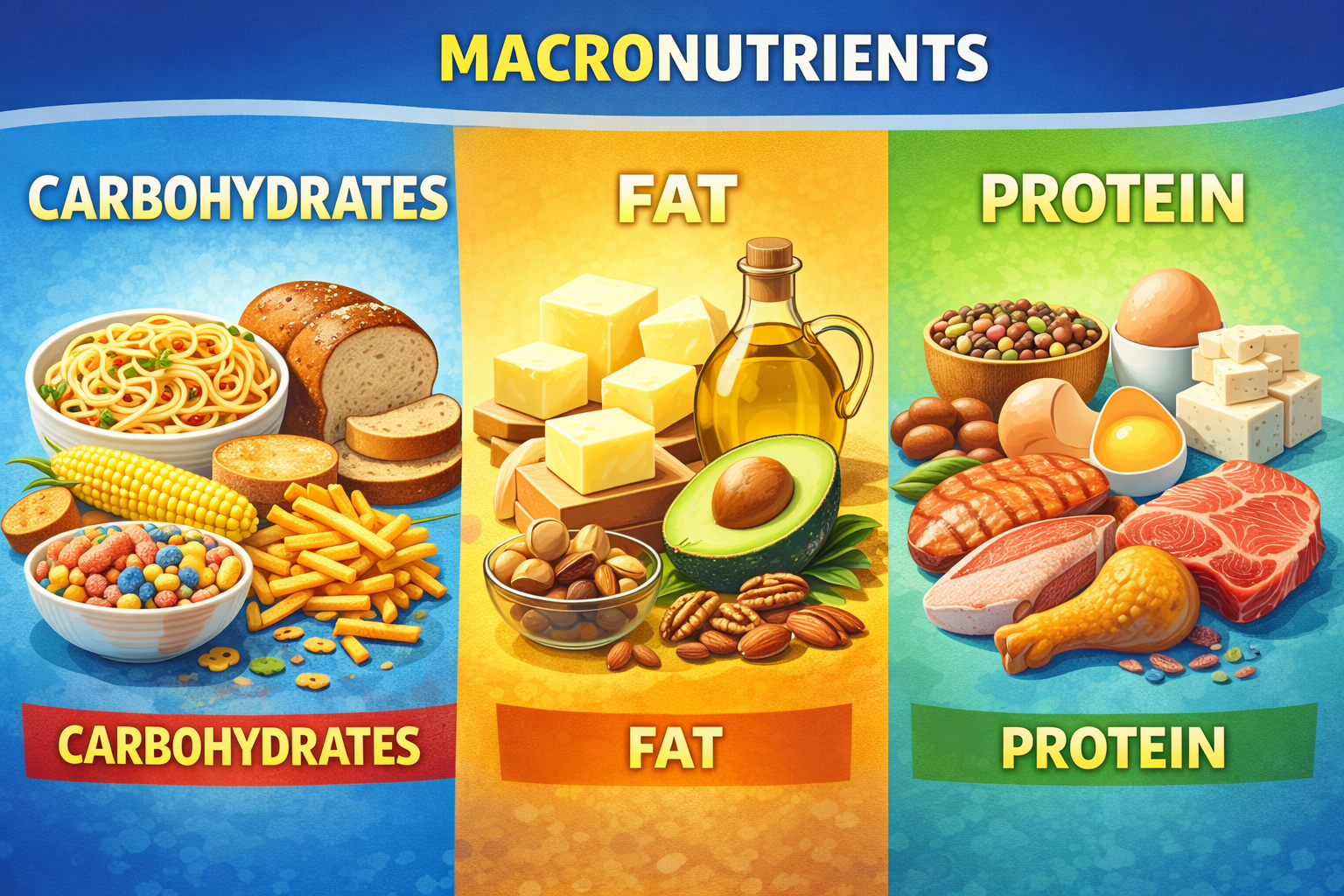
Carbohydrates are the main nutrient that influences blood glucose levels. After you consume carbohydrates, your body converts them into glucose, which enters your bloodstream as sugar. But here’s the twist: not all carbs are bad. In fact, your body needs carbohydrates for energy. The key is choosing the right type.
There are three main macronutrients:
- Carbohydrates
- Proteins
- Fats
Carbohydrates influence blood sugar levels more quickly than any other nutrient. Proteins have a moderate effect, while fats have minimal direct impact but can influence overall health.
When you eat refined carbohydrates like white bread or sugary snacks, they digest quickly. This causes a sudden spike in blood sugar. Your body then releases insulin to lower it. Over time, repeated spikes can make your cells resistant to insulin — worsening diabetes.
On the other hand, complex carbohydrates and fiber-rich foods digest slowly. They release glucose gradually into the bloodstream, preventing sudden surges. Imagine pouring water slowly into a glass instead of dumping it all at once — there’s no overflow.
Another important factor is portion size. Even healthy carbs can raise blood sugar if eaten in excess. That’s why moderation is crucial.
Understanding this relationship between food and blood sugar is empowering. Instead of feeling restricted, you start making informed decisions. You don’t just eat — you eat with purpose.
The Glycemic Index Explained
Have you ever noticed how some foods leave you energized while others make you feel sluggish? That difference often comes down to something called the Glycemic Index (GI).
The Glycemic Index (GI) is a scale used to show how rapidly foods that contain carbohydrates increase blood glucose levels. It ranks foods from 0 to 100, with higher numbers indicating a quicker rise in blood sugar after eating.
Here’s a simple breakdown:
- Low GI (55 or less): Slow digestion, gradual blood sugar rise
- Medium GI (56–69): Moderate impact
- High GI (70 or more): Rapid blood sugar spike
For people with diabetes, low-GI foods are generally the better choice. These include foods like oats, lentils, most fruits, non-starchy vegetables, and whole grains. High-GI foods, such as white bread, sugary cereals, and processed snacks, should be limited.
But here’s something many people don’t realize: GI doesn’t tell the whole story. It measures how quickly a food raises blood sugar — but not how much carbohydrate it contains. That’s where Glycemic Load comes in.
Also, the way you prepare food matters. For instance, mashed potatoes tend to raise blood sugar faster than boiled potatoes. Similarly, fully ripe bananas have a greater impact on blood glucose levels compared to bananas that are still slightly green. Food combinations also change things. Adding protein or fat to a carb-rich meal can slow down sugar absorption.
So instead of obsessing over numbers, use GI as a guide. Combine carbohydrates with sources of fiber, protein, and healthy fats to help balance blood sugar levels. That simple trick can dramatically reduce blood sugar spikes.
Think of GI as your traffic signal. Green means go, yellow means slow down, and red means proceed with caution.
The Glycemic Load and Why It Matters
While the Glycemic Index tells you how fast a food raises blood sugar, Glycemic Load (GL) tells you how much it will raise it. And honestly? That makes a big difference.
Glycemic Load considers both the quality (GI) and the quantity of carbohydrates in a serving. For example, watermelon has a high GI — but it contains very few carbs per serving. So its Glycemic Load is actually low. That means it won’t spike your blood sugar as much as you might think.
GL is calculated using this formula:
GL = (GI × grams of carbohydrate per serving) ÷ 100
Here’s how it’s categorized:
- Low GL: 10 or less
- Medium GL: 11–19
- High GL: 20 or more
For diabetes management, focusing on low to medium GL foods is ideal.
Why does this matter? Because portion size counts. Even healthy foods can cause blood sugar issues if eaten in large amounts. A bowl of brown rice is healthy. Three large bowls? That’s a different story.
The beauty of understanding Glycemic Load is that it gives you flexibility. You don’t have to eliminate foods completely. Instead, you manage portions and balance meals.
Pair high-GL foods with protein or fiber. For example:
- Rice + beans
- Apple + peanut butter
- Whole-grain toast + avocado
These combinations slow digestion and stabilize blood sugar.
Managing diabetes isn’t about fear — it’s about awareness. Once you understand Glycemic Load, you’re no longer guessing. You’re making smart, informed choices that keep your blood sugar steady and your energy consistent.
Best Foods to Eat in Diabetes
Best Foods to Eat in Diabetes
What do you think of when you hear the term “diabetes diet”? Bland salads? No desserts ever again? Endless restrictions? Let’s clear that up right now. Eating well with diabetes isn’t about punishment — it’s about choosing foods that work with your body instead of against it.
The best foods for diabetes are those that help stabilize blood sugar, improve insulin sensitivity, and support heart health. Remember, people with diabetes are at higher risk for heart disease, so your food choices should protect both your blood sugar and your heart.
So what should your plate look like?
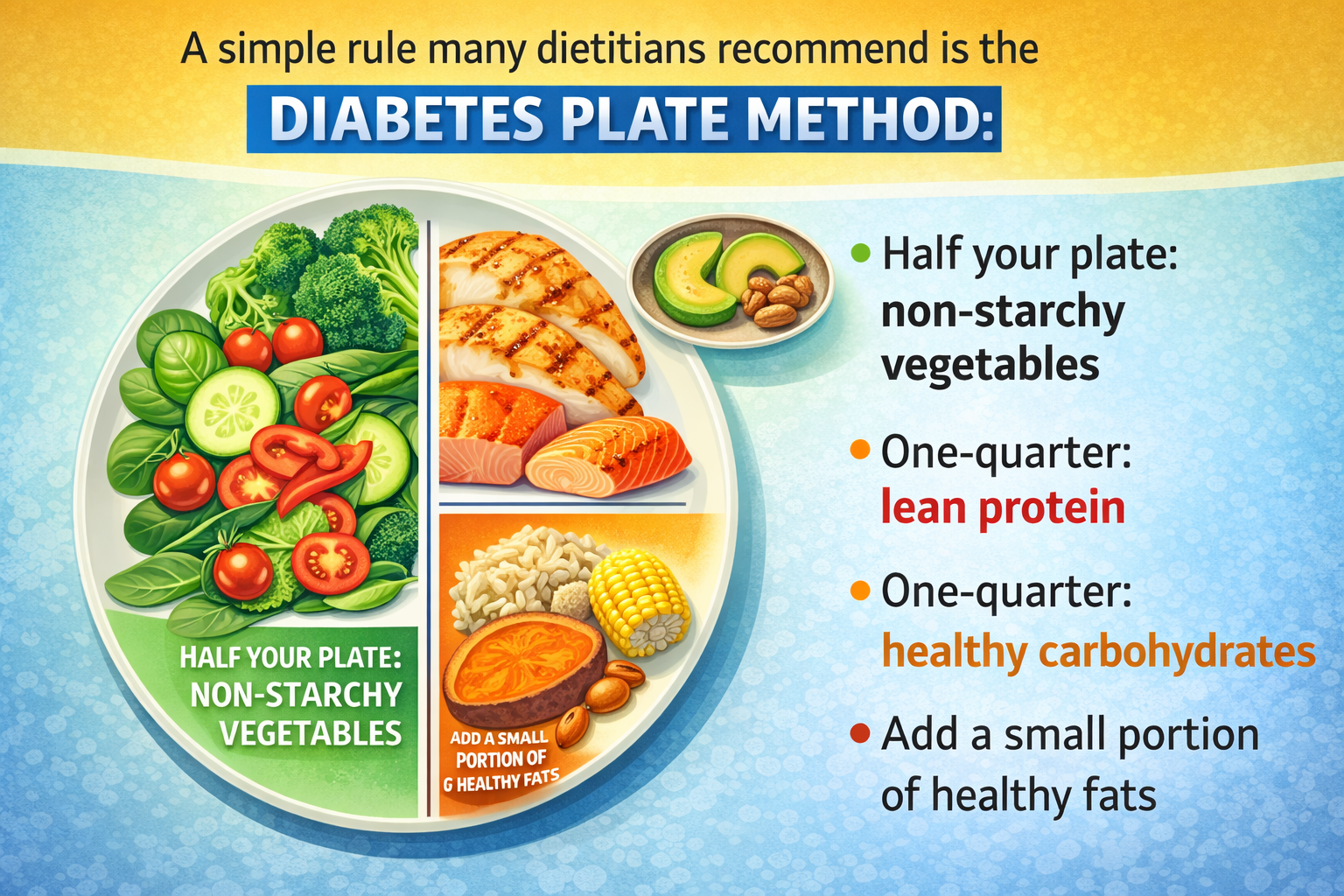
A simple rule many dietitians recommend is the diabetes plate method:
- Half your plate: non-starchy vegetables
- One-quarter: lean protein
- One-quarter: healthy carbohydrates
- Add a small portion of healthy fats
This approach keeps things balanced without complicated math.
The focus should be on:
- High-fiber carbohydrates
- Lean proteins
- Healthy fats
- Low-GI foods
- Minimally processed ingredients
Whole, natural foods are your best friends here. Think foods that look like they came from the earth — not from a factory. If your great-grandparents wouldn’t recognize it as food, it’s probably not the best choice.
Eating these foods regularly helps:
- Prevent blood sugar spikes
- Improve digestion
- Keep you full longer
- Reduce cravings
- Maintain a healthy weight
And here’s the best part — these foods are delicious. You’re not sacrificing flavor; you’re upgrading your health.
Let’s break down exactly which foods deserve a regular spot on your grocery list.
Whole Grains and High-Fiber Carbohydrates
Carbohydrates aren’t the enemy — refined carbs are. Whole grains and high-fiber carbohydrates digest slowly, giving you steady energy instead of sudden crashes.
Fiber is like a traffic controller for sugar. It slows down digestion, which means glucose enters your bloodstream gradually instead of all at once. That’s exactly what you want in diabetes management.
Top whole grain choices include:
- Brown rice
- Quinoa
- Oats (steel-cut or rolled)
- Barley
- Whole wheat bread (100% whole grain)
- Millets
Compare that to white bread, white rice, or sugary cereals — those are stripped of fiber and nutrients. They hit your bloodstream fast and hard.
Why is fiber so powerful?
- It improves blood sugar control
- It lowers cholesterol
- It supports gut health
- It keeps you full longer
Aim for at least 25–35 grams of fiber per day. Most people don’t even get close.
Here’s a quick comparison:
| Refined Carb | Better Choice |
|---|---|
| White rice | Brown rice or quinoa |
| White bread | 100% whole wheat bread |
| Sugary cereal | Oatmeal with nuts |
| White pasta | Whole wheat or lentil pasta |
Portion control still matters. Even whole grains contain carbs. Stick to about ½ to 1 cup cooked per meal, depending on your needs.
Think of whole grains as slow-burning firewood. They keep the energy steady instead of causing flare-ups. When chosen wisely, carbohydrates can absolutely be part of a healthy diabetes diet.
Non-Starchy Vegetables
If there’s one food group you can eat generously, it’s non-starchy vegetables. These are low in carbohydrates, packed with nutrients, and incredibly filling.
Non-starchy vegetables include:
- Spinach
- Broccoli
- Cauliflower
- Bell peppers
- Cucumbers
- Green beans
- Tomatoes
- Cabbage
- Asparagus
These vegetables are rich in:
- Fiber
- Vitamins (A, C, K)
- Minerals
- Antioxidants
And the best part? They have minimal impact on blood sugar.
Think of your plate like a canvas — vegetables should paint most of it. They add color, texture, and flavor without causing glucose spikes.
Why are they so beneficial?
- They improve insulin sensitivity.
- They reduce inflammation.
- They support weight management.
- They protect heart health.
Roast them with olive oil. Toss them into soups. Stir-fry them. Blend them into smoothies. There are endless ways to enjoy them.
One common mistake is drowning vegetables in creamy sauces or deep-frying them. That defeats the purpose. Keep preparation simple:
- Steamed
- Grilled
- Roasted
- Sautéed lightly in olive oil
Try to make non-starchy vegetables cover half of your plate at both lunch and dinner, and include as many different types as possible for better nutrition.
They’re like the foundation of a house — everything else builds on them. Strong foundation, strong health.
Fruits That Are Safe for Diabetics
Let’s settle this once and for all: people with diabetes can eat fruit.
Fruit contains natural sugars, yes — but it also contains fiber, vitamins, minerals, and antioxidants. The important thing is to select suitable fruits and keep an eye on your portion sizes.
Best fruit options include:
- Berries (strawberries, blueberries, raspberries)
- Apples
- Pears
- Oranges
- Kiwi
- Peaches
- Plums
Berries are especially powerful because they’re low in sugar and high in antioxidants. They’re like tiny nutritional powerhouses.
Fruits to limit (due to higher sugar content):
- Mangoes
- Grapes
- Pineapple
- Bananas (especially very ripe ones)
This doesn’t mean you can never eat them. It just means moderation matters.
Tips for eating fruit wisely:
- Eat whole fruit instead of fruit juice.
- Pair fruit with protein (apple + nuts).
- Stick to one serving at a time.
- Avoid canned fruit in syrup.
A serving size example:
- 1 small apple
- ½ cup berries
- 1 small orange
Fruit juice, even if it’s “natural,” can spike blood sugar quickly because it lacks fiber. It’s basically sugar water from your body’s perspective.
Think of fruit as nature’s dessert. Sweet, satisfying, and full of goodness — when eaten in the right amount.
Lean Proteins and Plant-Based Protein Sources
Protein plays a major role in blood sugar control. It slows digestion, reduces hunger, and helps prevent muscle loss — especially important if you’re trying to manage weight.
In contrast to carbohydrates, protein does not lead to major increases in blood sugar levels. That makes it an essential part of every meal.
Healthy protein sources include:
- Skinless chicken
- Turkey
- Fish (salmon, sardines, tuna)
- Eggs
- Tofu
- Lentils
- Beans
- Chickpeas
- Greek yogurt (unsweetened)
Fatty fish like salmon are especially beneficial because they contain omega-3 fatty acids, which protect heart health — a major concern in diabetes.
Plant-based proteins like lentils and beans are excellent because they provide both protein and fiber. That’s a double win.
However, not all protein sources are equal. Avoid:
- Fried meats
- Processed meats (sausages, hot dogs)
- Breaded chicken
- High-fat red meats
Try to include protein in every meal. For example:
- Oatmeal + nuts
- Salad + grilled chicken
- Apple + peanut butter
- Eggs + vegetables
Protein is like the anchor of your meal. It stabilizes everything around it.
Healthy Fats That Support Blood Sugar Control
Fat has been misunderstood for decades. The truth? Healthy fats are essential — especially for people with diabetes.
The right fats improve insulin sensitivity, reduce inflammation, and protect your heart.
Best sources of healthy fats:
- Avocados
- Olive oil
- Nuts (almonds, walnuts)
- Seeds (chia, flax)
- Fatty fish
- Natural nut butters
These fats slow digestion and keep you full longer. That means fewer cravings and better blood sugar stability.
But portion control is important because fats are calorie-dense.
Avoid unhealthy fats like:
- Trans fats
- Hydrogenated oils
- Deep-fried foods
- Excess butter
A drizzle of olive oil on vegetables? Great. A deep-fried meal? Not so great.
Healthy fats are like insulation for your body — they protect and stabilize everything inside. Bland salads? No desserts ever again? Endless restrictions? Let’s clear that up right now. Eating well with diabetes isn’t about punishment — it’s about choosing foods that work with your body instead of against it.
A drizzle of olive oil on vegetables? Great. A deep-fried meal? Not so great.
Dairy and Dairy Alternatives
Dairy products can be a bit confusing when you’re managing diabetes. Some people swear by milk and yogurt, while others avoid them completely. So what’s the real deal? The truth sits somewhere in the middle. Dairy can absolutely fit into a diabetes-friendly diet — if you choose wisely.
Milk contains natural sugar called lactose, which can raise blood sugar levels. However, it also provides high-quality protein, calcium, potassium, and vitamin D. The key is selecting the right type and watching portion sizes.
Better dairy choices include:
- Low-fat or skim milk
- Plain Greek yogurt (unsweetened)
- Low-fat cottage cheese
- Unsweetened kefir
Greek yogurt is especially beneficial because it’s higher in protein and lower in carbohydrates compared to regular yogurt. That extra protein slows down digestion and helps prevent blood sugar spikes.
What should you avoid?
- Flavored yogurts with added sugar
- Sweetened condensed milk
- Ice cream
- Full-fat dairy loaded with saturated fat
Here’s something many people overlook: flavored yogurt can contain as much sugar as a dessert. Always read labels. If sugar is listed among the first ingredients, put it back on the shelf.
If you’re lactose intolerant or prefer plant-based options, there are excellent alternatives:
- Unsweetened almond milk
- Unsweetened soy milk
- Unsweetened coconut milk (in moderation)
Make sure the label says “unsweetened.” Many plant-based milks are packed with added sugars.
Portion control matters too. A typical serving is:
- 1 cup milk
- ¾ cup yogurt
- ½ cup cottage cheese
Dairy can support bone health and muscle maintenance, both important for long-term diabetes management. Just remember — plain is powerful. Sweetened is risky.
Nuts, Seeds, and Superfoods
If you’re looking for a smart snack that won’t send your blood sugar soaring, nuts and seeds are your best friends. Small but mighty, these foods pack a serious nutritional punch.
Nuts and seeds are rich in:
- Healthy fats
- Protein
- Fiber
- Magnesium
- Antioxidants
Magnesium, in particular, plays a role in blood sugar control and insulin sensitivity. Many people with diabetes are actually low in magnesium without realizing it.
Top choices include:
- Almonds
- Walnuts
- Pistachios
- Chia seeds
- Flaxseeds
- Pumpkin seeds
- Sunflower seeds
They help in several ways:
- Slow digestion
- Reduce hunger
- Stabilize blood sugar
- Support heart health
But here’s the catch — they’re calorie-dense. A small handful (about 28 grams or 1 ounce) is enough. Eating directly from a large bag? That’s where things get tricky.
Chia and flaxseeds are especially impressive. Add them to oatmeal, yogurt, or smoothies. They absorb liquid and form a gel-like texture that slows carbohydrate absorption. Think of them as speed bumps for sugar entering your bloodstream.
When it comes to “superfoods,” focus on realistic additions like:
- Berries
- Leafy greens
- Turmeric
- Cinnamon
Cinnamon, for example, may help improve insulin sensitivity when used regularly in small amounts. Sprinkle it on oatmeal or yogurt for added flavor without sugar.
Nuts and seeds are like insurance for your meals — small additions that offer long-term protection.
Foods to Avoid in Diabetes
Now let’s look at the other side of the picture. If some foods stabilize blood sugar, others do the exact opposite. These are the foods that cause spikes, crashes, inflammation, and long-term complications.
Does that mean you can never enjoy them again? Not necessarily. But they should be limited, and in some cases, avoided entirely.
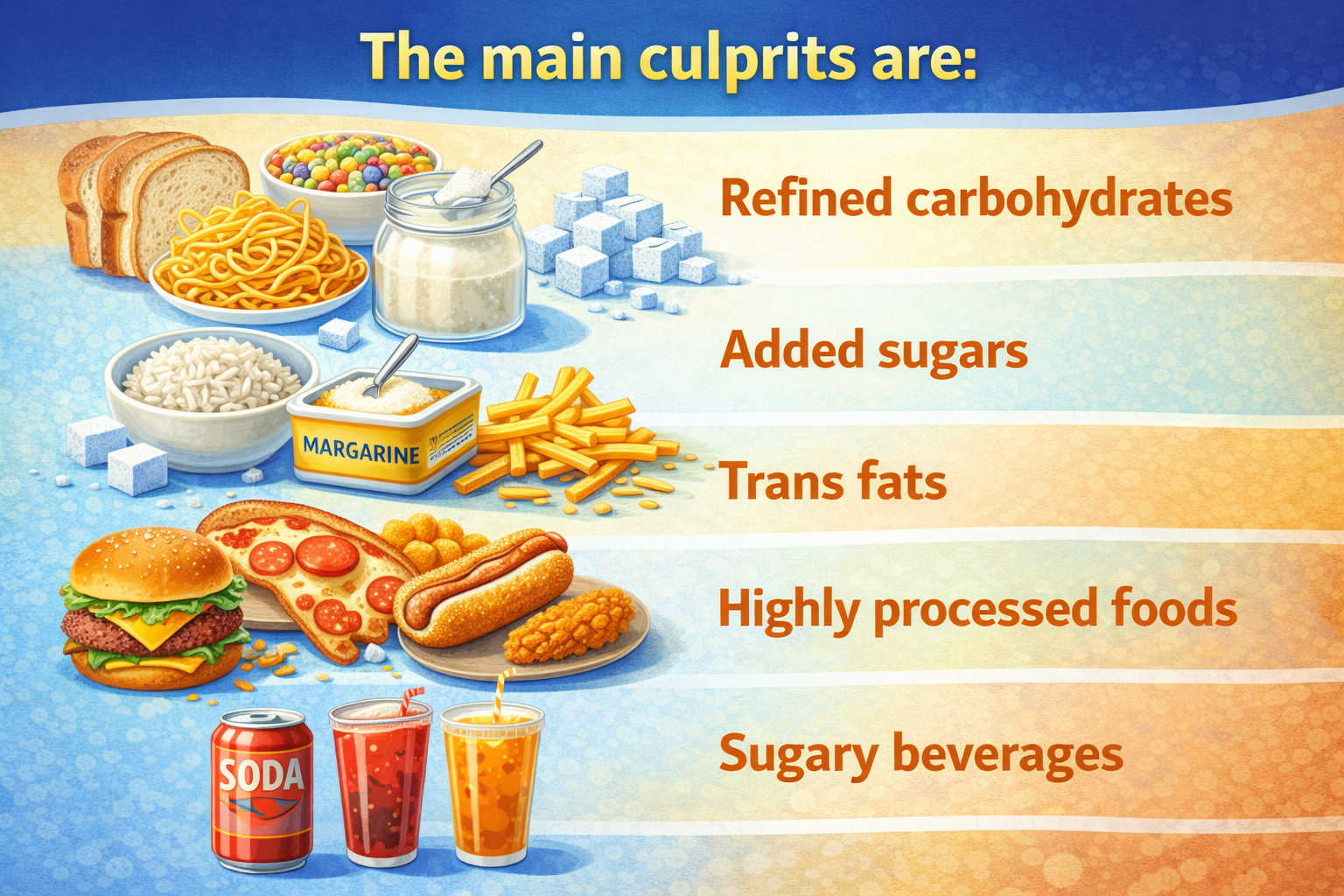
The main culprits are:
- Refined carbohydrates
- Added sugars
- Trans fats
- Highly processed foods
- Sugary beverages
These foods digest quickly and flood your bloodstream with glucose. Over time, that repeated stress damages blood vessels, nerves, kidneys, and your heart.
Think of these foods like matches near gasoline. One spark may not cause visible damage — but repeated exposure eventually leads to fire.
Let’s break them down.
Refined Carbohydrates and Sugary Foods
Refined carbohydrates are stripped of fiber and nutrients. What’s left is fast-digesting starch that converts quickly to sugar.
Examples include:
- White bread
- White rice
- White pasta
- Pastries
- Cakes
- Cookies
- Donuts
- Sugary cereals
They may taste good in the moment, but they create rapid blood sugar spikes followed by crashes. That crash often leads to more cravings — and the cycle continues.
Sugar itself is another major issue. Added sugars hide in:
- Candy
- Chocolate bars
- Syrups
- Sweetened yogurts
- Breakfast cereals
- Granola bars
The American Heart Association advises keeping your intake of added sugars within the following limits:
- 25 grams per day for women
- 36 grams per day for men
Many single desserts exceed that amount.
The problem isn’t just blood sugar spikes. Excess sugar also:
- Increases inflammation
- Raises triglycerides
- Promotes weight gain
- Worsens insulin resistance
Instead of completely banning sweets, try smarter swaps:
- Dark chocolate (70% cocoa or higher)
- Homemade desserts with natural sweeteners in moderation
- Fruit paired with nuts
Refined carbs are like fireworks — flashy and exciting, but short-lived and potentially damaging.
Sugary Drinks and Beverages
If there’s one category that deserves a red warning label in diabetes, it’s sugary drinks.
Liquid sugar is absorbed incredibly fast because there’s no fiber to slow it down. Within minutes, blood sugar levels can skyrocket.
Avoid:
- Soda
- Sweetened iced tea
- Energy drinks
- Fruit juices
- Sweetened coffee drinks
- Sports drinks
Even “100% fruit juice” can spike blood sugar dramatically. A glass of orange juice may contain the sugar of 3–4 oranges — without the fiber.
Better alternatives include:
- Water
- Sparkling water
- Herbal tea
- Black coffee
- Infused water with lemon or cucumber
If plain water feels boring, try adding:
- Mint leaves
- Lemon slices
- Berries
Sugary drinks are one of the fastest ways to worsen blood sugar control. Think of them as sugar delivery systems — efficient, quick, and harmful.
Switching beverages alone can significantly improve glucose management.
Processed and Packaged Snacks
Walk down any supermarket aisle and you’ll see rows of convenience foods. Chips, crackers, instant noodles, packaged desserts — they’re everywhere.
These foods are typically:
- High in refined carbs
- High in sodium
- High in unhealthy fats
- Low in fiber
They’re engineered to be addictive. Crunchy, salty, sweet — it’s hard to stop at one serving.
Examples to limit:
- Potato chips
- Cheese puffs
- Microwave popcorn (butter-loaded)
- Packaged cookies
- Instant noodles
Not only do these spike blood sugar, but they also increase blood pressure — another common concern for people with diabetes.
Instead, try:
- Air-popped popcorn
- Roasted chickpeas
- Nuts
- Fresh vegetables with hummus
Think of processed snacks as shortcuts that cost you in the long run. Whole foods may take a little more effort, but your body pays you back with stability and energy.
Fried Foods and Trans Fats
Fried foods may not directly spike blood sugar, but they contribute to insulin resistance and heart disease — two major concerns in diabetes.
Avoid:
- French fries
- Fried chicken
- Doughnuts
- Deep-fried snacks
Trans fats, often found in hydrogenated oils, are especially dangerous. They increase bad cholesterol (LDL) and decrease good cholesterol (HDL).
Always check labels for:
- “Partially hydrogenated oils”
Choose healthier cooking methods:
- Baking
- Grilling
- Steaming
- Air-frying
Your heart and blood vessels will thank you.
Conclusion
Managing diabetes isn’t about deprivation — it’s about direction. Every food choice either supports stable blood sugar or works against it. The power lies in awareness and balance.
Focus on:
- Whole grains
- Non-starchy vegetables
- Lean proteins
- Healthy fats
- Fiber-rich foods
Limit:
- Sugary drinks
- Refined carbs
- Processed snacks
- Fried foods
You don’t need perfection. You need consistency. Small changes, repeated daily, lead to powerful results over time.
Think of your diet as a daily vote for your future health. What will you choose today?
FAQs
1. Can people with diabetes eat rice?
Yes, but portion control is important. Choose brown rice or basmati rice and pair it with protein and vegetables to reduce blood sugar spikes.
2. Is honey better than sugar for diabetes?
Not really. Honey still raises blood sugar and should be consumed in moderation, just like regular sugar.
3. How many meals should a diabetic eat per day?
Most people benefit from 3 balanced meals with 1–2 healthy snacks, depending on blood sugar levels and doctor recommendations.
4. Are artificial sweeteners safe for diabetes?
They don’t raise blood sugar directly, but moderation is key. Focus more on reducing overall sweet cravings.
5. Can diabetes be controlled by diet alone?
For some people with Type 2 diabetes, diet and lifestyle changes can significantly improve blood sugar control. However, always follow medical advice regarding medication.
Please don’t forget to leave a review.