
Prediabetes can be reversed if caught early. Read our doctor’s guide to spotting the signs, understanding insulin resistance, and preventing type 2 diabetes.
Table of Contents
Introduction
As a doctor, I meet many patients who are surprised when their blood tests show “borderline” high sugar levels. They often ask me, “Doctor, does this mean I have diabetes?” The answer is not always straightforward. Many times, what they are experiencing is prediabetes.
Prediabetes is a condition in which blood sugar levels rise above the healthy range but are still below the threshold for type 2 diabetes. I like to describe it as the warning bell your body rings before diabetes sets in. The important thing to know is that prediabetes is not a permanent condition—it can often be reversed with timely changes in lifestyle.
In this article, I want to explain prediabetes in detail—its symptoms, causes, risk factors, diagnosis, treatment, and most importantly, what you can do to prevent or reverse it. My goal is to help you understand this condition the way I explain it to my patients in the clinic.
What is Prediabetes?
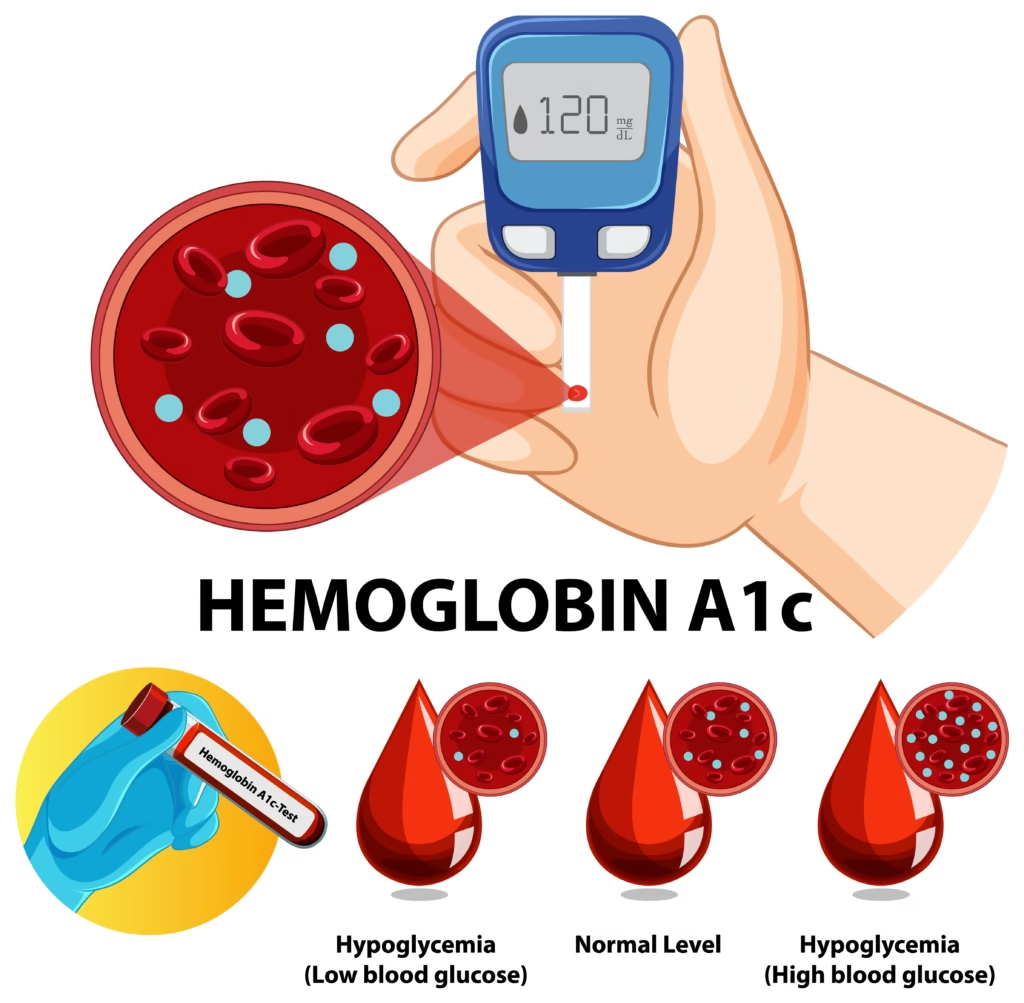
Prediabetes occurs when blood sugar (glucose) levels rise above the healthy range but have not yet reached the level where we diagnose diabetes.
Diagnostic Criteria
We confirm prediabetes with simple blood tests:
- Fasting Blood Sugar (FBS):
- Normal: less than 100 mg/dL
- Prediabetes: 100–125 mg/dL
- Diabetes: 126 mg/dL or above
- HbA1c (3-month average blood sugar):
- Normal: below 5.7%
- Prediabetes: 5.7–6.4%
- Diabetes: 6.5% or above
- Oral Glucose Tolerance Test (OGTT): Blood sugar measured 2 hours after drinking a glucose solution.
- Normal: less than 140 mg/dL
- Prediabetes: 140–199 mg/dL
- Diabetes: 200 mg/dL or above
These tests tell us whether your body is handling sugar properly or showing early signs of imbalance.
Understanding Insulin Resistance – A Doctor’s Note
At the core of prediabetes lies insulin resistance. I often tell my patients to imagine insulin as a key and your cells as locked doors. Under normal circumstances, insulin opens the door and lets glucose inside, where it can be used for energy.
In insulin resistance, the locks become rusty—the doors don’t open as easily. To keep blood sugar in check, your pancreas produces increasing amounts of insulin. For some time, this extra insulin keeps blood sugar under control. But eventually, the system becomes tired and blood sugar levels start rising.
This is when prediabetes develops. If nothing is done, it can progress into type 2 diabetes.
The good news? Insulin resistance is not permanent. With weight management, exercise, a balanced diet, stress control, and good sleep, your cells can become more sensitive to insulin again. This is why lifestyle modification is the most powerful treatment for prediabetes.
Symptoms of Prediabetes
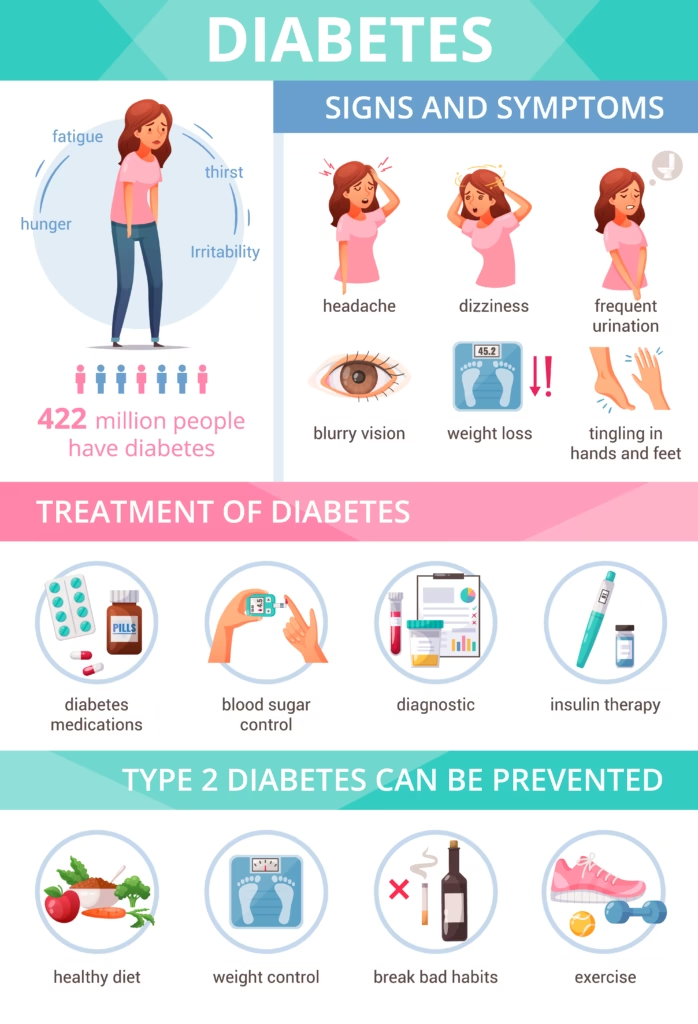
Most people with prediabetes feel completely normal. This is why it is often discovered only during routine blood tests. However, in some cases, subtle signs may appear, such as:
- Feeling more tired than usual
- Increased thirst
- Needing to urinate more often
- Blurred vision
- Slow healing of cuts or wounds
- Unexplained weight changes
Because symptoms are usually mild or absent, regular screening is extremely important, especially if you have risk factors.
Risk Factors for Prediabetes
Certain conditions and habits increase your chances of developing prediabetes:
- Being overweight or obese – Excess fat, especially around the waist, worsens insulin resistance.
- Family history – If your parents or siblings have type 2 diabetes, your risk is higher.
- Age – Risk increases after 40, though younger people are now also affected.
- Sedentary lifestyle – Lack of exercise contributes to weight gain and poor sugar control.
- High blood pressure or cholesterol – These often accompany insulin resistance.
- Polycystic ovary syndrome (PCOS) – Women with PCOS often have a higher risk of developing insulin resistance.
- History of gestational diabetes – Women who developed diabetes during pregnancy remain at higher risk later in life.
Complications if Left Untreated
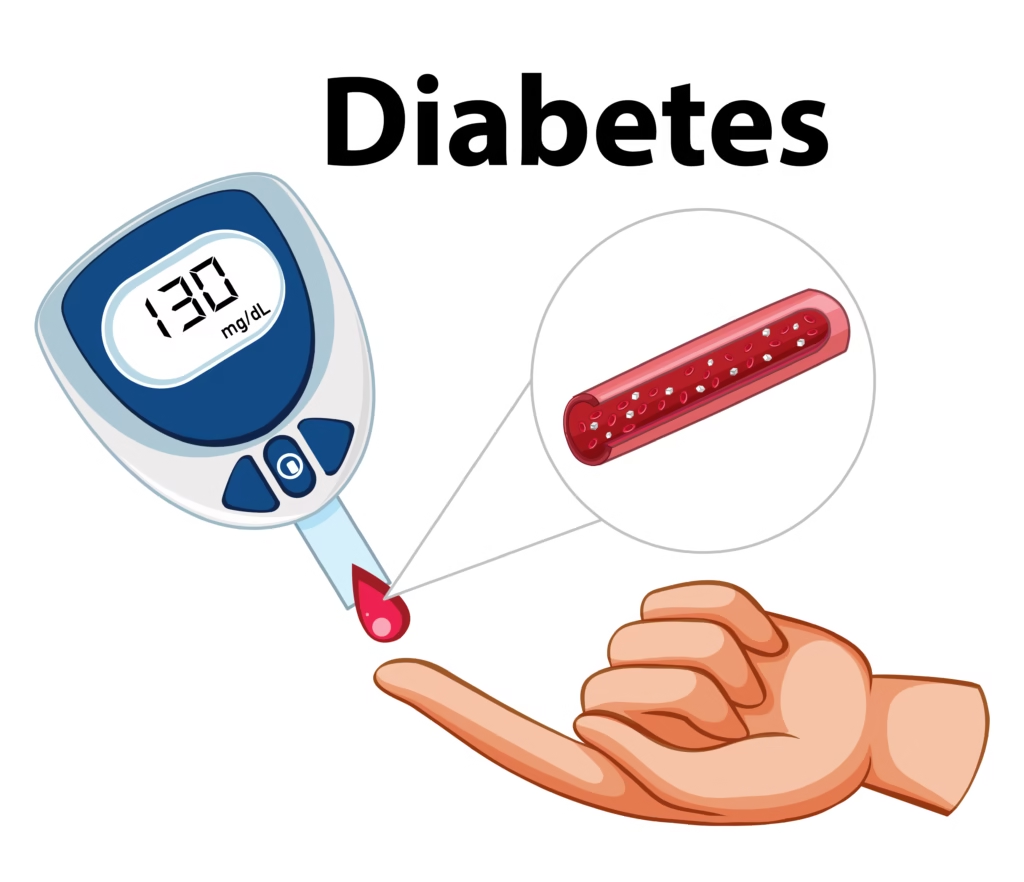
If prediabetes is ignored, it can turn into type 2 diabetes within a few years. This increases the risk of:
- Heart disease and stroke
- Nerve damage (neuropathy)
- Kidney problems (nephropathy)
- Eye damage (retinopathy, glaucoma, cataracts)
- Foot infections and ulcers
Even before diabetes develops, prediabetes itself is linked to a higher chance of cardiovascular disease.
Can Prediabetes Be Reversed?
The answer is yes. I always reassure my patients that prediabetes is not a life sentence. Research shows that losing even 5–7% of body weight and being more physically active can cut the risk of developing type 2 diabetes by nearly half. Small, steady lifestyle changes can bring your blood sugar back into the normal range.

Prediabetes Treatment – My Advice to Patients
There is no “magic pill” for prediabetes. The main treatment is lifestyle modification. As your doctor, here’s what I usually recommend:
1. Weight Management
Even losing a few kilos makes a difference. For example, if you weigh 80 kg, losing just 4–6 kg can improve insulin sensitivity.

2. Regular Exercise
I advise at least 150 minutes of moderate activity every week. This adds up to 30 minutes of activity each day for five days every week. Brisk walking, cycling, swimming, dancing—anything you enjoy works. Add strength training twice a week for extra benefit.
3. Healthy Eating
- Eat more fiber (vegetables, fruits, whole grains).
- Limit sugary foods and drinks.
- Avoid highly processed snacks and fried foods.
- Control portion sizes.

4. Good Sleep & Stress Control
Poor sleep and high stress worsen insulin resistance. Aim for 7–8 hours of sleep and practice relaxation methods like yoga, meditation, or deep breathing.
5. Medications (Only if Needed)
In high-risk patients, I sometimes prescribe Metformin. But lifestyle changes always remain the foundation of treatment.
Prediabetes Diet: What to Eat and Avoid
Food plays a central role in controlling prediabetes.
Eat More Of:
- Whole grains: oats, brown rice, quinoa
- Legumes: lentils, beans, chickpeas
- Vegetables: spinach, broccoli, carrots, cucumbers
- Fruits: apples, guava, pears, berries
- Protein: eggs, fish, chicken, paneer, tofu
- Healthy fats: nuts, seeds, olive oil
Limit or Avoid:
- White bread, white rice, maida products
- Sugary drinks, sodas, packaged juices
- Fast food, fried items, processed snacks
- Cakes, pastries, sweets, biscuits
- Alcohol in excess

Sample Prediabetes Diet Plan (1 Day)
- Morning (on waking): Warm water with lemon
- Breakfast: Vegetable oats upma OR 2 rotis with boiled egg and salad
- Mid-morning: A bowl of papaya or guava + a handful of nuts
- Lunch: 2 rotis or brown rice, dal, sabzi, salad, and grilled chicken/paneer
- Evening snack: Roasted chana OR sprouts salad + green tea
- Dinner: Quinoa pulao with vegetables + curd + stir-fried tofu/paneer
- Before bed: Enjoy a glass of warm, low-fat turmeric milk without sugar.
Prediabetes Prevention
You can lower your risk of prediabetes and diabetes by:
- Maintaining a healthy weight
- Staying physically active
- Eating balanced, high-fiber meals
- Going for regular health check-ups
- Avoiding smoking and limiting alcohol
When to See a Doctor
I advise you to consult your doctor if:
- You have a family history of diabetes
- You are overweight with other risk factors
- You have symptoms like excessive thirst, urination, or fatigue
- You had gestational diabetes during pregnancy
Early screening can make a big difference.
Conclusion – A Message from Your Doctor
Prediabetes is your body’s early warning system. It tells you that change is needed—but it also gives you the chance to act before it’s too late.
By detecting prediabetes early, you can take charge of your health and prevent type 2 diabetes. The most powerful tools are in your hands: healthy food, daily activity, weight management, stress control, and regular monitoring.
Remember, small steps taken today—like a 30-minute walk, replacing sugary drinks with water, or choosing whole grains—can prevent big problems tomorrow.
As a doctor, I strongly encourage you: don’t ignore prediabetes. Treat it as an opportunity to reclaim your health.
Frequently Asked Questions (FAQs) About Prediabetes
1. Can prediabetes go away on its own?
Prediabetes doesn’t always progress to diabetes, but it rarely resolves without action. Lifestyle changes like healthy eating, regular exercise, and weight management can often reverse it.
2. How often should I get tested for prediabetes?
If you have risk factors—such as family history, obesity, or PCOS—blood sugar tests are recommended at least once a year. Otherwise, every 3 years from age 35 is advised.
3. What foods spike blood sugar the most?
Sugary drinks, sweets, white bread, and other refined carbs cause rapid blood sugar rises. Focus on whole grains, fiber-rich foods, and lean proteins.
4. Can I exercise if I have prediabetes?
Absolutely. Exercise is one of the most effective ways to improve insulin sensitivity. Aim for at least 150 minutes of moderate-intensity activity per week.
5. Is medication necessary for prediabetes?
Most people manage prediabetes with lifestyle changes alone. Medication like Metformin is reserved for high-risk individuals or when lifestyle changes aren’t enough.
6. Can stress or lack of sleep affect prediabetes?
Yes. Chronic stress and poor sleep can worsen insulin resistance and raise blood sugar levels. Good sleep hygiene and stress management are important.
7. Can children get prediabetes?
Yes. With rising obesity and sedentary lifestyles, prediabetes is becoming more common in adolescents. Healthy habits should start early.
8. How long does it take to reverse prediabetes?
It varies, but with consistent lifestyle changes, improvement in blood sugar can often be seen in a few months. Regular monitoring is key.